Lorem ipsum dolor sit amet

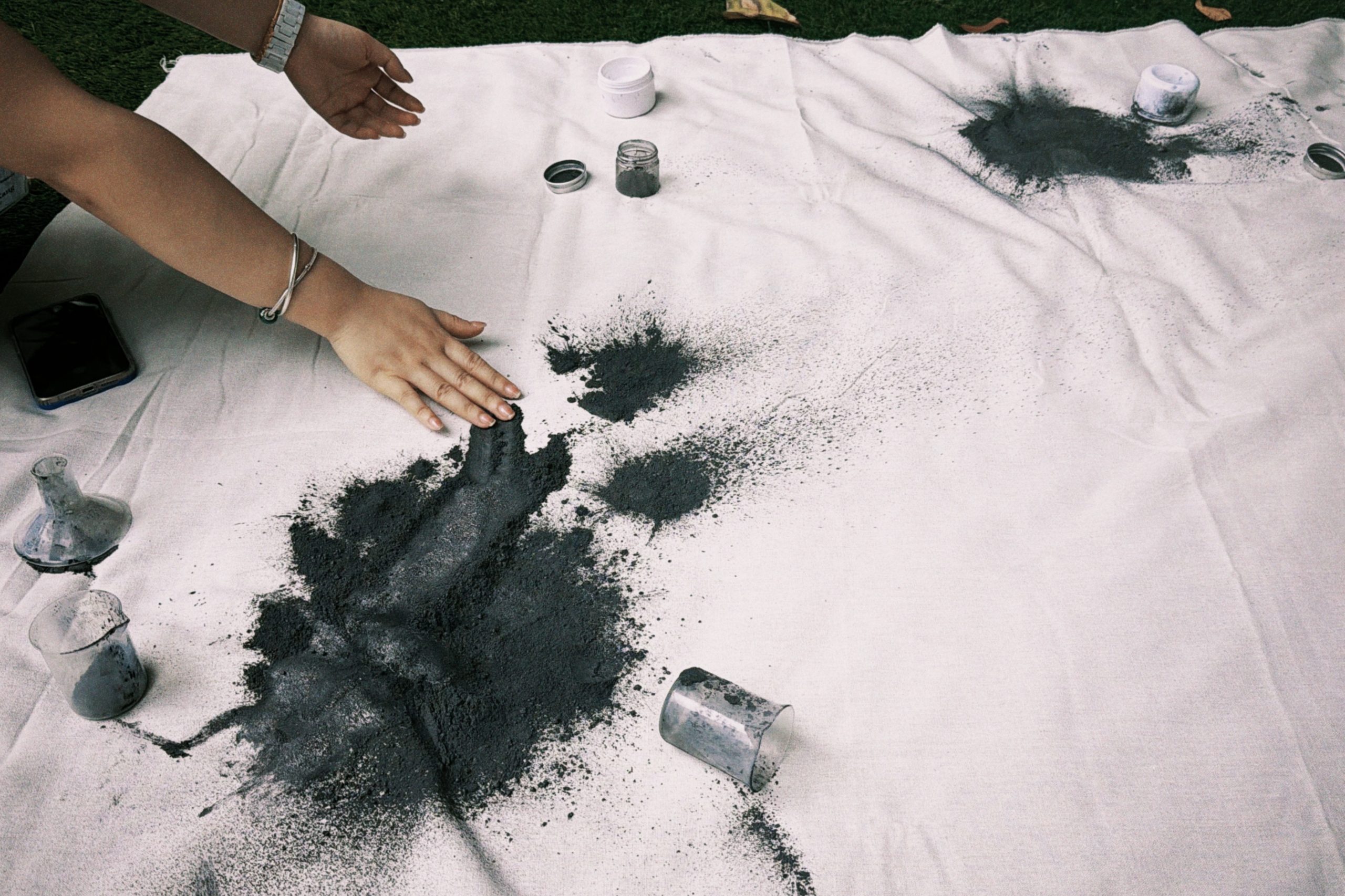
Cross-border and Innovation – Exploring an Atelier in the Reggio Emilia Approach (跨界与创新——探索瑞吉欧艺术工作室)

Cross-border and Innovation – Exploring an Atelier in the Reggio Emilia Approach (跨界与创新——探索瑞吉欧艺术工作室)

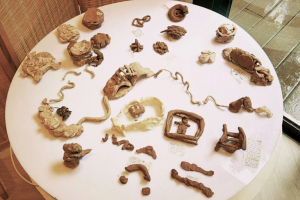
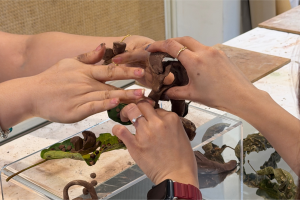
During the two-day training session, participants were invited to immerse themselves in and operate rich materials and tools, this also led them to deeply analyse the Reggio Emilia Approach–explore the relationship between art and pre-school education, reflect on the role of teachers, and rethink how to better support children’s independent thinking and active creation in the future.

在这两天的培训中,我们不仅邀请参会者对丰富的材料和工具进行了浸润式地体验和操作,同时还带领他们深度解析瑞吉欧经典案例,探索艺术与学前教育的关系,从而不断反思教师角色,重新思考今后如何更好地支持儿童独立思考和积极创造。

– EtonHouse International Education Group China Early Childhood Education Research Centre (新加坡伊顿国际教育集团中国区学前教育研究中心)

You May Also Like This

Participating in the REACH Chinese Foundational Study Programme was truly a privilege and a valuable opportunity for professional growth. More than just a week of learning, it felt like an intentional pause from my daily responsibilities—a dedicated time to reflect, reconnect, and re-examine our practices on the ground through a different lens.

 

Throughout the programme, I was deeply inspired by the Reggio Emilia philosophy and its unwavering belief in the image of the child as capable, competent, and full of potential. Listening to the sharing sessions and visiting learning environments prompted me to reflect honestly on my own practice. At times, I even felt a sense of guilt, realising that we may unintentionally limit children’s opportunities because of concerns around safety, time, space, or routines. While these constraints are real, the programme challenged me to rethink whether they should define what is possible.


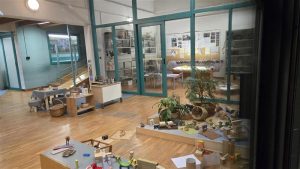
One of the most impactful experiences was visiting EtonHouse International Pre-School Claymore. I was fascinated by how every space, no matter how small, was intentionally designed to provoke thinking, invite exploration, and honour children’s voices. Even a narrow corridor was transformed into a meaningful learning environment. This experience reinforced the idea that it is not the size of the space that matters, but the intention behind its design. Every corner reflected a deep respect for children and their capabilities, demonstrating that the image of the child can be made visible throughout the environment.

This experience shifted my perspective on the role of the environment as the third teacher. Rather than viewing our physical constraints as limitations, I began to see opportunities to redesign and reimagine the spaces we already have. It reminded me that meaningful learning can happen anywhere when educators carefully consider the purpose, possibilities, and invitations embedded within the environment.

The discussions on pedagogical documentation also resonated strongly with me. I came to appreciate that documentation is not merely about displaying children’s work or recording observations, but about making learning visible, interpreting children’s theories, and engaging in collaborative reflection with colleagues.
 

As a Lead preschool educator, this programme has strengthened my commitment to advocating for children’s rights, agency, and participation. It has inspired me to continue reflecting on our everyday practices, question long-held assumptions, and create environments that empower children to explore, express themselves, and construct knowledge through the hundred languages available to them.

I leave this programme feeling both inspired and challenged. While there is still much to learn and improve, I am motivated to bring these reflections back to my centre and work alongside my team to create more intentional, responsive, and meaningful learning experiences for every child. The greatest takeaway for me is that meaningful change does not always require more space or more resources—it begins with a change in mindset and a renewed belief in the extraordinary capabilities of every child.

Reflection by:
Kylye Ng Syn Wui
Lead Preschool Educator (Mandarin)
E-Bridge Pre-School
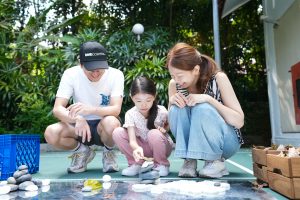
The Reggio Emilia Approach to early childhood education places a strong emphasis on the role of families in a child’s learning journey. Unlike traditional educational models where parents play a secondary role, Reggio Emilia settings view families as essential partners in the learning process. This philosophy fosters a culture of collaboration, respect, and shared responsibility between educators, children, and families.

One of the key principles of Reggio Emilia is the belief that children learn best in a supportive, community-driven environment. Parents are encouraged to participate actively in their child’s education, not just as observers but as contributors. They engage in regular discussions with teachers, help document children’s progress, and even take part in classroom activities. This partnership ensures that learning extends beyond the classroom and into the home, creating a seamless connection between school and family life.

Furthermore, Reggio Emilia settings value the diversity of family backgrounds and perspectives. Educators recognise that each family’s unique culture and experiences enrich the learning environment. By integrating family traditions, languages, and values into the curriculum, children develop a deeper understanding of the world around them. This inclusivity fosters a sense of belonging and respect among all members of the school community. 

In conclusion, the culture of families in Reggio Emilia settings is one of active participation, mutual respect, and shared learning. By embracing family involvement, these schools create a nurturing environment where children, parents, and educators grow together as a learning community.

Reflection by:
Joanne Tong
Senior Quality Assurance Manager
E-Bridge Pre-School

Reflecting on the study trip to the Loris Malaguzzi Centre in Reggio Emilia, Italy, has led to a significant transformation in my views on environments for young children. The Centre and the pre-schools we visited exemplify Malaguzzi’s vision, embracing a philosophy that sees children as capable, resourceful, and active participants in their learning journey.

The concept of the “hundred languages of children” resonated profoundly, emphasizing the value of various forms of expression and learning beyond traditional education approach. The significant impact of long-term, inquiry-based learning was clearly visible in the children’s intricate projects, which were carefully planned and facilitated to align with their interests and questions. The atelier, a space for exploration and experimentation with different materials, showcased how creative expression promotes critical thinking and problem-solving skills.

The focus on documentation, not merely as a record but as a means for reflection and dialogue, was especially striking. The thoughtfully displayed project documentation-featuring photographs, documentations, and children’s artwork— revealed the depth of their learning processes and the educators’ insightful observations.

The collaborative spirit among educators, children, and families was evident throughout the pre-schools. Its environment, designed to encourage interaction and communication, reflected a community committed to nurturing children’s potential. This experience has deepened my appreciation for the importance of creating learning environments that are responsive, stimulating, and respectful of children’s natural curiosity and creativity. The Reggio Emilia Approach should not be seen as a method to replicate. but rather as an inspiration to foster a culture of listening, observation. and respect for children’s interests and abilities.

Reflection by:
Cathy Chew
Senior Centre Leader
E-Bridge Pre-School